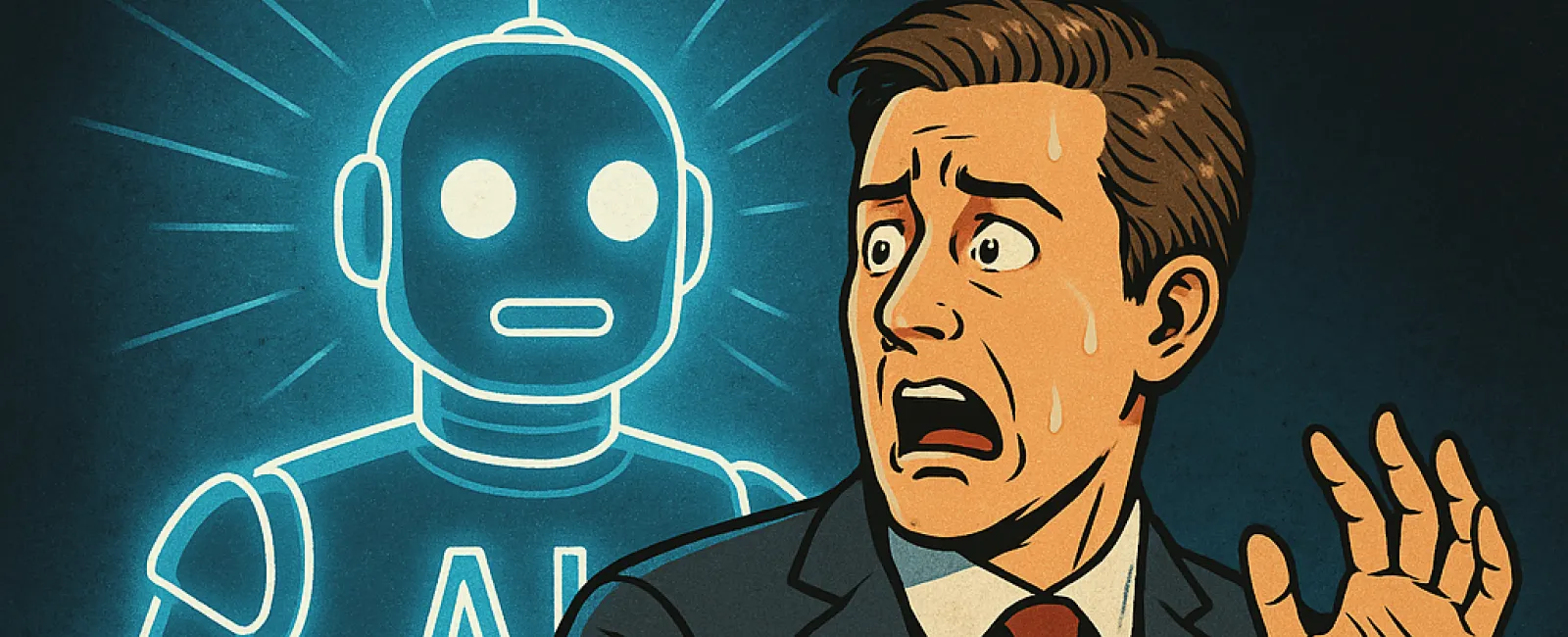
Artificial Intelligence (AI) is revolutionizing business operations, offering unprecedented opportunities—but it also opens the door for cybercriminals who wield AI tools just as effectively. Let's expose some of the hidden digital threats lurking in the shadows of this new technological era.
Imposters in Your Video Meetings: Beware of Deepfake Deception
Deepfakes powered by AI have achieved startling realism, and hackers exploit this to manipulate employees through social engineering attacks.
For example, a cryptocurrency foundation recently reported an incident where an employee encountered multiple deepfake versions of their company's senior leaders in a Zoom call. These digital facsimiles urged the employee to install a Zoom extension granting microphone access—paving the way for a North Korean cyber infiltration.
Traditional verification processes are now under siege by these sophisticated scams. Stay vigilant for telltale signs such as unnatural facial movements, unusual delays, or odd lighting effects.
Malicious Messages in Your Inbox: Guard Against Advanced Phishing
Phishing emails have long threatened businesses, but AI-generated messages now remove the classic giveaways like spelling or grammar errors, making suspicious emails harder to detect.
Cybercriminals leverage AI to translate and customize phishing emails and landing pages into multiple languages, allowing their campaigns to scale globally.
Yet, core defenses remain effective. Implementing multifactor authentication (MFA) adds a critical layer of security, as attackers rarely gain access to your secondary devices like smartphones. Regular security awareness training equips employees to recognize urgency cues and other subtle red flags in AI-crafted phishing attempts.
Fake AI Tools: Malware Disguised as Innovation
Cyber attackers exploit AI's popularity by distributing malicious "AI tools" that appear legitimate but conceal harmful software beneath the surface. These deceptive downloads often harness trends such as seasonal sales or hype around AI technologies.
For example, a TikTok account promoted methods to install "cracked software" for tools like ChatGPT using PowerShell commands, but it was actually a malware distribution scam uncovered by security researchers.
To protect your business, engage in thorough security awareness education and consult with your managed service provider (MSP) before installing any new AI-related software.
Ready to Drive AI Threats Out of Your Business?
AI-powered attacks—from deepfakes to phishing scams and bogus AI applications—can be countered with strategic defenses. Stay informed and equip your team to stay one step ahead of cyber threats.Click here or give us a call at 916-626-4000 to schedule your free 15-Minute Discovery Call today and let's talk through how to protect your team from the scary side of AI ... before it becomes a real problem.